
Fika and Swedish Food Culture: 7 Essential Insights for Travellers
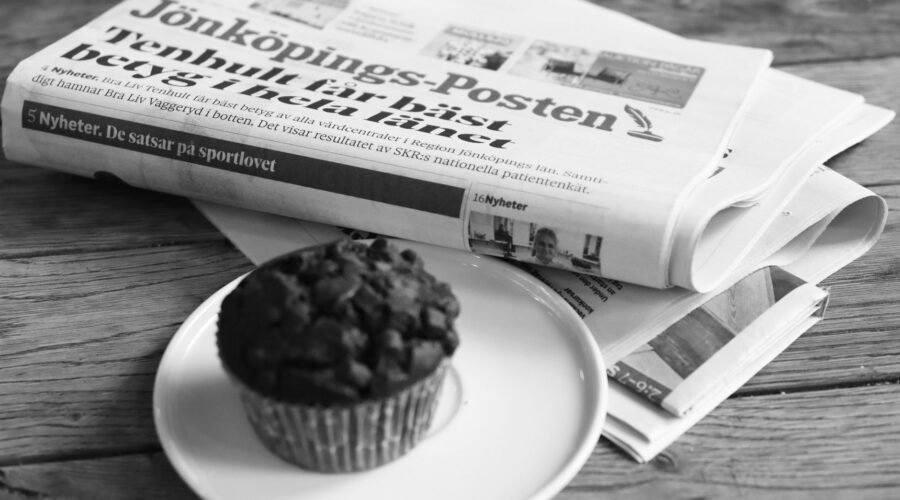
The smell of cardamom and fresh-brewed coffee hits you the moment you step into a Stockholm konditori on a grey October afternoon. Around you, Swedes of all ages sit with small cups and cinnamon-dusted pastries, talking quietly or reading alone. This is fika, and if you want to understand Swedish food culture, you start here. Fika and Swedish food culture: a traveller’s guide begins with recognizing that eating in Sweden isn’t just about the food itself but the rituals, seasons, and social codes woven around it.
TL;DR
- Fika is a daily coffee-and-pastry ritual that functions as Sweden’s primary social glue, practiced at 10:00 and 15:00 in workplaces and cafés nationwide.
- Swedish food culture follows strict seasonal rhythms: strawberries and herring in summer, game and mushrooms in autumn, julbord buffets in winter, and semla buns in spring.
- Expect to pay 150-250 SEK for casual meals and 400+ SEK for traditional experiences like smörgåsbord; budget with dagens rätt lunch specials at 95-135 SEK.
- The concept of lagom (just right) shapes portion sizes, flavors, and dining pace, favoring balance over excess.
- Coffee quality matters intensely; Swedes consume 8.2 kg per person yearly and expect proper brewing even in small-town cafés.
Understanding fika: more than a coffee break
Fika isn’t a meal. It’s not a snack in the way you’d grab something quick between meetings. It’s a deliberate pause, a social contract, and for many Swedes, a non-negotiable part of the day. The word works as both a noun (let’s have a fika) and a verb (shall we fika?). You’ll hear it in offices, see it on café chalkboards, and find it referenced on Visit Sweden’s official guide to Swedish traditions, which describes fika as one of the country’s most important cultural practices.
The mechanics are simple. You sit down with a cup of strong filter coffee and something sweet, usually a kanelbulle (cinnamon bun). Refills, called påtår, are often free or cost 10 SEK. The sitting-down part matters. Taking coffee to go misses the point. Fika is about the break itself, the conversation or the quiet, the momentary withdrawal from productivity. In workplaces, fika happens around 10:00 and again at 15:00, and participation is expected. Skipping it signals you’re either overwhelmed or don’t care about your colleagues.
For travellers, fika offers a low-pressure entry into Swedish social life. You don’t need reservations or formal dress. You can fika alone with a book or join a friend. The best spots aren’t always the obvious ones. Vete-Katten in central Stockholm has been serving fika since 1928, with chandeliers and marble-topped tables. Petrus Olssons in Södermalm bakes everything on-site and fills the street with the smell of cardamom by 08:00. In Gothenburg, try Café Husaren, known for buns the size of your head. Prices run 45-65 SEK for coffee and 35-50 SEK for pastries in cities; smaller towns charge 10-15 SEK less.
What to order and what to skip
Start with kaffe and kanelbulle. This is the baseline. Swedish cinnamon buns differ from what you might know: less sugar, more cardamom in the dough, topped with pearl sugar instead of icing. They’re pillowy but not cloying. If you want variety, ask for kardemummabulle (cardamom bun, often twisted into a knot), chokladboll (a no-bake chocolate-oat-coconut ball), or prinsesstårta (green marzipan-covered layer cake, more common at celebrations). Skip the espresso drinks unless you’re at a specialty coffee bar. Swedes drink filter coffee, and that’s what’s been perfected here.
Timing your fika around the local rhythm helps. Mid-morning and mid-afternoon are peak hours, so cafés are full but turnover is quick. If you want a quieter experience, go at 13:00 or 16:30. Sundays are busy with families. Weekday mornings attract freelancers and retirees. You’ll find fika spots listed in our Stockholm café directory, organized by neighborhood and atmosphere.
Seasonal eating and why it defines Swedish food culture
Sweden’s food calendar is strict. You don’t eat strawberries in January or semla in August. The country’s northern latitude and historical reliance on preservation created a culture where certain foods belong to certain months, and eating out of season feels wrong. This isn’t snobbery. It’s practicality turned tradition, and it shapes what you’ll find on menus and in markets throughout the year.
Spring starts with semla, a cardamom bun filled with almond paste and whipped cream, eaten from January through Easter. Bakeries compete for the best version, and Swedes consume an estimated five million of them each year. Easter brings pickled herring (sill) in mustard, onion, and dill varieties, served with boiled eggs and crispbread. By late May, asparagus appears briefly, celebrated in white-tablecloth restaurants before it vanishes again.
Summer, short and precious, revolves around strawberries, new potatoes, and fresh fish. Midsummer (late June) is the year’s peak food moment: tables covered with pickled herring, gravlax, boiled potatoes with dill, sour cream, and snaps (aquavit). August means crayfish parties (kräftskiva), where Swedes boil the small freshwater shellfish with dill and eat them cold with bread, cheese, and more snaps. These aren’t restaurant events; they’re backyard and archipelago gatherings, though some restaurants offer tourist-friendly versions for 400-600 SEK.
Autumn is mushroom and game season. Chanterelles appear in forests (you can pick them yourself under allemansrätten, the Right of Public Access), and menus feature venison, elk, and wild boar. October 4th is Kanelbullens dag, a national cinnamon bun celebration invented by a baking-powder company but now genuinely observed. Winter is julbord season, the Christmas buffet that runs from late November through December. A proper julbord includes herring, salmon, meatballs, sausages, ham, cheeses, and rice pudding, with a hidden almond that promises marriage to whoever finds it. Expect to pay 500-800 SEK for a full spread at hotels and restaurants.
Where to experience seasonal Swedish food
For julbord, Grand Hôtel Stockholm and Hotel Kung Carl offer traditional versions with white tablecloths and aquavit. Operakällaren goes upscale at 1, 200+ SEK per person. For everyday seasonal cooking, look for dagens rätt (dish of the day) at lunch-focused restaurants. These 95-135 SEK specials include a main, salad bar, bread, and coffee, and they rotate with the seasons. Pelikan in Södermalm serves classic husmanskost like pea soup on Thursdays (a Swedish tradition) and meatballs year-round. In Gothenburg, Sjömagasinet focuses on west-coast seafood and changes its menu with the catch.
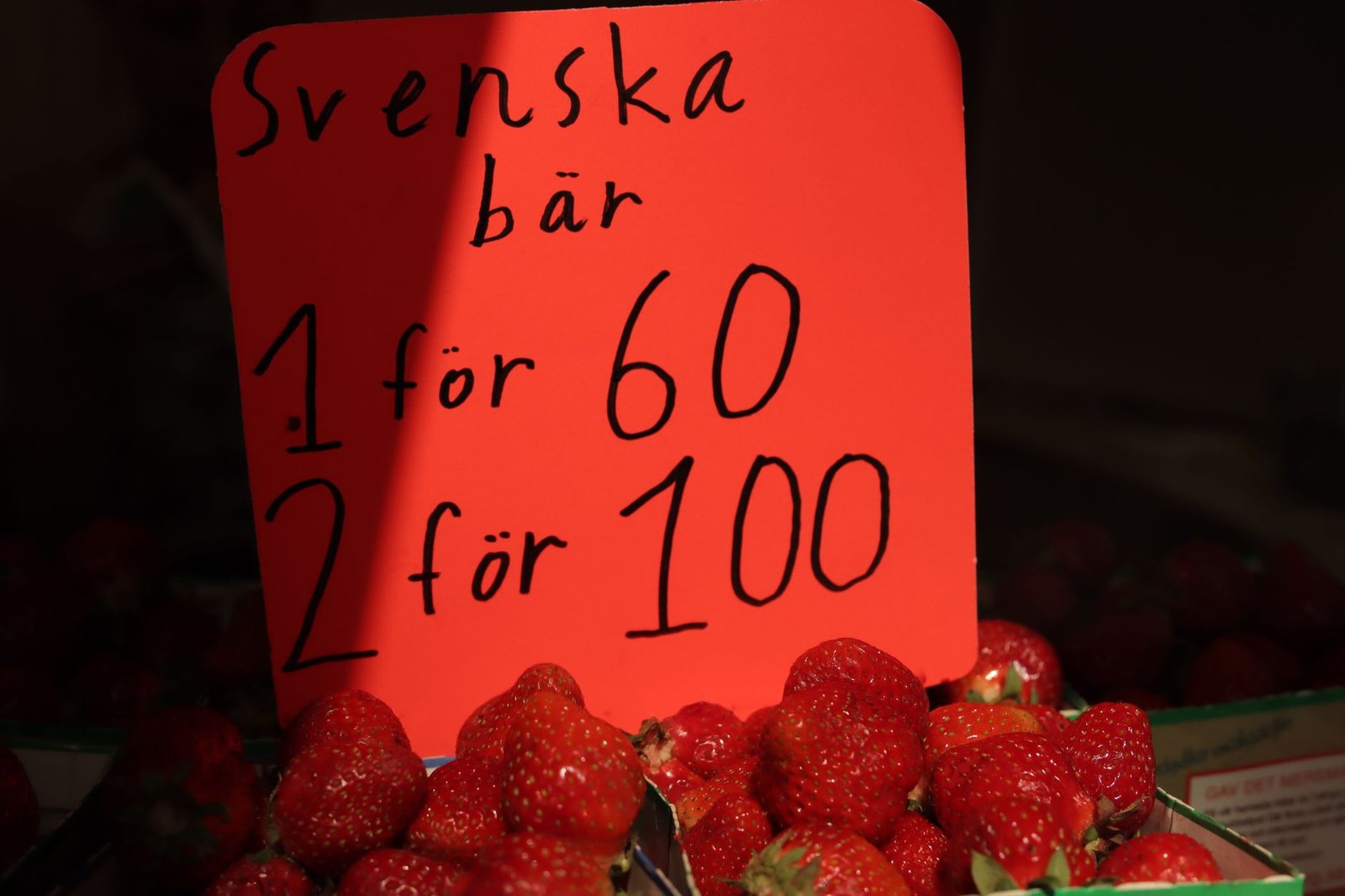
Markets offer another window into seasonal eating. Östermalms Saluhall in Stockholm (reopened in 2020 after renovation) has vendors selling game, fish, and Swedish cheeses. Hötorgshallen, in the basement below Hötorget square, is scruffier and cheaper. Both close on Sundays. In summer, roadside stands sell strawberries by the kilo for 40-60 SEK; these are sweeter and smaller than supermarket varieties.
Fika and Swedish food culture: a traveller’s guide to costs and budgeting
Sweden is expensive. A coffee costs what a full meal might elsewhere. Knowing where to spend and where to save makes the difference between a strained budget and a comfortable trip. Fika, despite being daily for locals, adds up quickly for travellers doing it twice a day at cafés. A single fika runs 80-115 SEK. Over a week, that’s 1, 120-1, 610 SEK (104-149 EUR) if you’re going out for every one.
Budget strategies: buy coffee and pastries from supermarkets (Willys, Lidl, Hemköp) and make your own fika if your accommodation has a kitchen. A bag of good Swedish coffee costs 60-90 SEK and makes 20+ cups. A four-pack of cinnamon buns runs 25-35 SEK. That brings the per-fika cost down to under 15 SEK. Save café visits for once a day or every other day, choosing places with character rather than chains.
For meals, dagens rätt is your friend. These weekday lunch specials (11:00-14:00) give you a hot meal, salad, bread, and coffee for 95-135 SEK. Dinner at the same restaurant might cost 250-400 SEK for just the main course. Breakfast buffets at hotels and hostels, if included, should be eaten well; load up on bread, cheese, and boiled eggs to carry you through the morning. Evening supermarket visits around 19:00-20:00 often yield discounts (30-50% off) on fresh items nearing their sell-by date.
What costs what: a reference table
- Fika at a café: 80-115 SEK (coffee + pastry)
- Dagens rätt lunch: 95-135 SEK (includes salad, bread, coffee)
- Casual dinner: 150-250 SEK per person
- Mid-range restaurant dinner: 300-500 SEK per person
- Julbord (Christmas buffet): 500-800 SEK
- Crayfish party (restaurant version): 400-600 SEK
- Supermarket cinnamon bun pack (4): 25-35 SEK
- Bag of Swedish coffee beans: 60-90 SEK
- Liter of milk: 12-15 SEK
- Loaf of bread: 20-35 SEK
Alcohol is controlled and taxed heavily. Beer at a restaurant costs 70-95 SEK for 0.4L. Wine starts at 90 SEK per glass. If you want to drink affordably, buy from Systembolaget, the state-run alcohol monopoly (closed Sundays, limited Saturday hours). A decent bottle of wine there costs 80-150 SEK versus 300-500 SEK at a restaurant.
The unwritten rules of Swedish dining and fika etiquette
Swedes don’t do loud enthusiasm or effusive praise. Meals and fika are calm, measured, and egalitarian. You won’t get fawning service, but you also won’t get rushed. Understanding the social codes helps you relax into the experience rather than misreading silence as unfriendliness.
At cafés, you usually order and pay at the counter, then sit. Servers don’t check on you repeatedly. If you need something, you go back to the counter or catch someone’s eye. Tipping isn’t expected but rounding up or adding 5-10% is appreciated for good service at restaurants. At cafés where you order at the counter, don’t tip. Service is included in prices, and staff earn proper wages.
Conversation during fika is real but not intense. Swedes use fika to connect without pressure. If you’re fikaing with a colleague or new acquaintance, expect talk about work, weather, weekend plans, or neutral topics. Deep personal questions come later, if at all. Silence is fine. Sitting quietly with your coffee and a book is completely normal and not seen as antisocial.
Dining pace and meal structure
Swedish meals follow a rhythm. Breakfast (frukost) is substantial: bread, cheese, cold cuts, boiled eggs, yogurt, sometimes herring. Lunch (lunch) is the main hot meal of the day for many, eaten early (11:30-13:00) and quickly. Dinner (middag) can be light or elaborate depending on the household, typically served 18:00-19:00. Restaurants fill up by 18:30 on weekends; book ahead or arrive before 18:00.
Swedes don’t linger over dinner the way southern Europeans might. A meal takes 60-90 minutes, then people leave. Restaurants won’t rush you out, but tables turn faster than in France or Spain. If you want a long, slow evening, choose a wine bar or a place with a tasting menu where lingering is built into the structure.
The concept of lagom (just the right amount, not too much, not too little) governs portions and flavors. Swedish food isn’t aggressively spiced or heavily sauced. It’s balanced, letting the ingredient speak. Portions are moderate. You won’t leave stuffed or hungry if you order appropriately. This moderation can feel underwhelming to travellers used to abundance, but it reflects a cultural value that excess is uncomfortable, even embarrassing.
Regional differences and where to eat beyond Stockholm
Swedish food culture isn’t monolithic. The west coast eats more seafood, the north more game and preserved foods, the south more European-influenced dishes. Stockholm dominates the food conversation, but travelling beyond it reveals variations worth seeking out.
Gothenburg, Sweden’s second city, is the seafood capital. The fishing harbor of Feskekôrka (literally “fish church, ” for its Gothic-revival architecture) sells the day’s catch and has a small restaurant upstairs. Sjöbaren and Sjömagasinet serve high-end west-coast seafood: langoustines, oysters, cod, and turbot. Heaven 23, on the 23rd floor of the Gothia Towers, offers a lunch buffet with herring, salmon, and meatballs for 325 SEK, with views over the city and archipelago. You can explore dining options through Traveliora’s Gothenburg restaurant listings.
Skåne, the southernmost region, has a longer growing season and feels more continental. Malmö’s food scene mixes Swedish traditions with Middle Eastern and Balkan influences from its immigrant communities. Lund and Ystad have konditori serving spettkaka, a towering spit-cake made for weddings and celebrations, specific to Skåne. The region also produces most of Sweden’s vegetables and grains, so farm-to-table restaurants are more common here than in the north.
Dalarna, in central Sweden, is the heart of husmanskost (traditional home cooking). Here you’ll find ostkaka (a baked cheese dessert), blodpudding (blood pudding), and isterband (smoked pork sausage). It’s hearty, rural food, less refined than what you’d find in Stockholm but deeply rooted in agricultural life. The town of Mora has several traditional restaurants serving these dishes as dagens rätt.
Lapland, in the far north, has Sami food traditions: reindeer in every form (smoked, dried, stewed, as sausage), Arctic char, cloudberries, and foraged herbs. Reindeer meat is lean and slightly gamey, best when slow-cooked. Cloudberries (hjortron) are a prized delicacy, growing in northern bogs and harvested in late summer. A jar of cloudberry jam costs 80-120 SEK and makes an excellent souvenir. Restaurants in Kiruna, Abisko, and Jokkmokk serve Sami-inspired menus, though many are seasonal and close outside the summer and Northern Lights seasons. Check Lapland restaurant listings for updated schedules.
Foraging and allemansrätten
Sweden’s Right of Public Access (allemansrätten) allows anyone to walk, camp, and forage on public and private land, as long as you don’t disturb or damage. This means you can legally pick wild blueberries, lingonberries, raspberries, and mushrooms during hikes. Foraging is woven into Swedish food culture; many families spend August weekends gathering berries and chanterelles for the year ahead.
As a traveller, you can participate. Blueberries (blåbär) ripen in July and August and grow abundantly in forests across the country. Lingonberries (lingon) appear in September. Chanterelles (kantareller) fruit after rain in late summer and early autumn. Bring a basket or container, and pick only what you’ll use. Don’t uproot plants or pick protected species. If you’re unsure about mushroom identification, stick to berries or join a guided foraging tour (available in national parks and around Stockholm and Gothenburg for 400-600 SEK).
Sustainability, local sourcing, and the Swedish food future
Swedes care about sustainability. It’s not a niche concern; it’s mainstream expectation. Restaurants advertise locally sourced ingredients, organic certifications, and waste-reduction practices because customers demand it. The 2016 Swedish Food Strategy, a government initiative, prioritizes sustainable production, reduced food waste, and support for small-scale
Frequently Asked Questions
What exactly is fika and why is it important in Sweden?
Fika is a daily coffee break ritual in Sweden, typically involving coffee and a sweet pastry. It's a protected social practice where colleagues, friends, or family pause work to connect, usually twice daily around 10:00 and 15:00. The tradition is so ingrained that Swedish labor law informally supports fika breaks, and refusing an invitation is considered mildly rude.
How much does a typical fika cost in Stockholm?
In Stockholm, expect to pay 45-65 SEK (roughly 4-6 EUR) for a coffee and 35-50 SEK (3-4.50 EUR) for a cinnamon bun or pastry. A complete fika for two with coffee and pastries runs 150-200 SEK (14-18 EUR) at most cafés. Chains like Espresso House are cheaper; independent bakeries in Södermalm or Gamla Stan charge a premium.
What should I order for my first fika experience?
Order a kaffe (filter coffee, refills usually included) and a kanelbulle (cinnamon bun). This is the classic combination. If you want to try variations, ask for a kardemummabulle (cardamom bun) or chokladboll (chocolate ball). Avoid complicated espresso drinks on your first visit; Swedes drink simple, strong filter coffee.
Can I experience fika outside of cafés?
Absolutely. Swedes practice fika at home, in offices, at hiking rest stops, and even on boats in the archipelago. Many workplaces have dedicated fika rooms with free coffee. If you're staying in a Swedish home or hotel with a kitchen, buy beans from a local roastery and pastries from a konditori (bakery) to create your own fika ritual.
Is fika only a morning and afternoon thing?
Fika traditionally happens mid-morning (10:00-11:00) and mid-afternoon (15:00-16:00), but cafés serve it all day. The timing matters more in workplace settings where fika breaks are scheduled. As a traveller, you can fika whenever you want, though you'll see the most authentic local atmosphere during those peak windows.
What's the difference between a café and a konditori in Sweden?
A konditori is a traditional Swedish bakery-café specializing in house-made pastries, cakes, and cookies, often family-run with recipes passed down generations. A modern café might serve Italian-style espresso drinks and imported pastries. For authentic fika, choose a konditori; for variety and wifi, choose a café.
Do Swedes really eat cinnamon buns that often?
Yes. Sweden consumes roughly seven cinnamon buns per person annually, and the country celebrates Kanelbullens dag (Cinnamon Bun Day) every October 4th. Bakeries sell them fresh every morning, and they're the default pastry choice for fika. The Swedish version is less sweet than American styles, with cardamom in the dough.
What are the main seasonal foods I should try in Sweden?
In spring (April-May), try sill (pickled herring) during Easter. Summer (June-August) brings strawberries, new potatoes, and crayfish parties in August. Autumn (September-November) features mushroom and game dishes. Winter (December-February) is julbord (Christmas buffet) season and semla (cardamom cream bun) from January through Easter.
Where can I find the best fika in Stockholm?
Vete-Katten in Norrmalm (since 1928) is the classic choice, serving traditional pastries in an old-world setting. Petrus Olssons in Södermalm bakes everything on-site daily. Café Pascal near Odenplan offers excellent cardamom buns. Avoid tourist-trap cafés in Gamla Stan's main squares; walk two blocks off the main street for better quality and prices.
Is Swedish food culture expensive compared to other countries?
Yes. A casual restaurant meal in Sweden costs 150-250 SEK (14-23 EUR) per person, and a mid-range dinner runs 300-500 SEK (28-46 EUR). Grocery prices are 20-30% higher than the EU average. Budget travellers should shop at Willys or Lidl supermarkets, make use of hotel breakfast buffets, and save restaurant meals for lunch when dagens rätt (daily specials) are cheaper.
What is smörgåsbord and when can I experience it?
Smörgåsbord is a traditional Swedish buffet with cold and hot dishes, pickled fish, meats, cheeses, and desserts. You'll find it year-round at hotels and some restaurants, but the best versions appear during Christmas (julbord) from late November through December, and at Midsummer celebrations in late June. Expect to pay 400-800 SEK (37-74 EUR) for a full julbord.
Do I need to tip at Swedish cafés and restaurants?
Tipping isn't expected but is appreciated for good service. Round up the bill or add 5-10% at restaurants if you're happy with the service. At cafés where you order at the counter, tipping isn't customary. Service charges are included in Swedish prices, and staff earn living wages, so you won't get the pressure you might feel elsewhere.
What does 'lagom' mean in Swedish food culture?
Lagom means "just the right amount" and shapes how Swedes approach food: not too much, not too little, balanced and moderate. You'll see it in portion sizes (smaller than American), flavor profiles (not overly spiced or sweet), and meal timing (regular, structured). It reflects a broader cultural value of balance and avoiding excess.
Can I find vegetarian and vegan options easily in Sweden?
Yes, especially in cities. Stockholm, Gothenburg, and Malmö have dedicated vegan restaurants and most cafés offer oat milk (havremjölk) as standard. Traditional Swedish food is meat-heavy, but younger Swedes increasingly eat plant-based, so you'll find options. Look for vegetarisk or vegansk labels on menus. Rural areas have fewer choices.
What is dagens rätt and how much does it cost?
Dagens rätt (dish of the day) is a weekday lunch special at most Swedish restaurants, typically served 11:00-14:00. It includes a main dish, salad bar, bread, butter, a soft drink or light beer, and coffee, all for 95-135 SEK (9-12 EUR). It's the best value for a hot meal in Sweden and reflects the traditional Swedish lunch culture.
Should I try surströmming as a traveller?
Only if you're genuinely curious and prepared. Surströmming (fermented Baltic herring) is an acquired taste with a notoriously strong smell, eaten in northern Sweden mainly in August. Most Swedes haven't tried it or don't like it. If you want to experience it, do so outdoors with locals who know how to prepare it properly, served on tunnbröd (flatbread) with potatoes and onion.
What are the best Swedish food souvenirs to bring home?
Packaged crispbreads (knäckebröd) from Wasa or Leksands, lingonberry jam, cloudberry jam (expensive but special), Kalles Kaviar (cod roe paste in a tube), Swedish coffee beans from local roasters, and packaged cardamom or cinnamon for baking. Avoid trying to bring fresh pastries; they don't travel well and customs may confiscate them.
How important is coffee quality in Sweden?
Extremely. Sweden ranks among the world's top coffee consumers per capita, drinking an average of 8.2 kg per person annually. Swedes expect high-quality beans, proper brewing methods, and fresh roasts. Even small-town cafés take coffee seriously. The standard is filter coffee (bryggkaffe), not espresso, and refills (påtår) are usually free or very cheap.
What is a Swedish 'fika-paus' in the workplace?
A fika-paus is a scheduled break at Swedish workplaces, usually 15-20 minutes mid-morning and mid-afternoon, where colleagues gather for coffee and conversation. It's semi-mandatory in the sense that not participating can seem antisocial. Employers often provide free coffee and sometimes pastries. It serves as both a productivity break and team-building ritual.
When is the best time of year to experience Swedish food culture?
December for julbord Christmas buffets and festive markets, late June for Midsummer strawberries and pickled herring, and August for crayfish parties (kräftskiva). Spring (February-Easter) is semla season. Each season has distinct food traditions, so there's no single best time, but December and June offer the most dramatic culinary experiences.
Are Swedish cinnamon buns different from other countries' versions?
Yes. Swedish kanelbullar use cardamom in the dough, less sugar in the filling, and are topped with pearl sugar rather than icing. They're less sweet and more bread-like than American cinnamon rolls. The shape is a distinctive knot or spiral. By law (since 1999), they must contain real cinnamon, not cassia, though this rule is sometimes bent.
What does 'husmanskost' mean and where can I try it?
Husmanskost means traditional Swedish home cooking: simple, hearty dishes like meatballs with lingonberries, pea soup with pancakes, pytt i panna (hash), and fried herring. You'll find it at traditional restaurants like Pelikan in Stockholm or Sjömagasinet in Gothenburg, and as dagens rätt lunch specials. It's comfort food, not fancy, and reflects Sweden's agricultural roots.
How do I know if a café is touristy or authentic?
Check if locals are inside (look for people working on laptops, older Swedes reading newspapers, parents with strollers). Authentic places display prices clearly, have Swedish-language signage as primary, and don't have multilingual staff hovering at the door. If the cinnamon buns look identical and perfect, they're likely industrial; authentic bakeries have slight variations between buns.
What is 'allemansrätten' and how does it relate to food?
Allemansrätten (the Right of Public Access) allows anyone to forage wild berries, mushrooms, and herbs on public and private land in Sweden, as long as you don't damage property. This tradition connects Swedes to seasonal food gathering. As a traveller, you can legally pick blueberries, lingonberries, and chanterelles during hikes, but learn to identify them correctly first.
Do Swedish restaurants accommodate food allergies well?
Generally yes. EU regulations require clear allergen labeling, and Swedish restaurants typically list the 14 major allergens on menus or can provide information when asked. Gluten-free options (glutenfri) are widely available. Staff speak English well in cities and can explain ingredients. Smaller rural establishments may have less flexibility, so call ahead if you have severe allergies.
What drinks pair with traditional Swedish food?
Snaps (aquavit) with pickled herring and Midsummer meals, Swedish craft beer with meatballs or sausage, and julmust (a sweet, malty soft drink) during Christmas. Coffee follows nearly every meal. Wine culture is growing but isn't traditional. For fika, always coffee, occasionally tea. Swedes drink milk with meals more than southern Europeans do, especially at lunch.