
Cabins and Farm Stays in Sweden: 7 Honest Tips to Sleep Slowly
Cabins and farm stays in Sweden strip away the hotel script. You wake to birch leaves tapping the window, not a hallway vacuum. You cook your own coffee, walk to a lake before breakfast, and spend the evening in a wood-heated sauna you fired yourself. This guide covers where to find cabins and farm stays in Sweden, what to expect when you book, and how to match your rhythm to the countryside’s slower clock.
TL;DR
- Swedish cabins (stugor) range from basic red cottages with outhouses to modern lakeside retreats with saunas and Wi-Fi; expect 800-2, 200 SEK per night depending on season and amenities.
- Farm stays concentrate in Skåne, Dalarna, and Gotland, offering hands-on activities, home-cooked meals, and direct contact with working agriculture.
- Book 3-6 months ahead for midsummer and peak July; May, June, and September offer better availability, fewer mosquitoes, and lower prices.
- Bring all your own food for self-catering cabins; rural shops close early and stock is limited.
- A car is nearly essential; most cabins sit 5-20 km from public transport, and rural bus frequency is low.
Why cabins and farm stays in Sweden work for slow travel
Slow travel isn’t a marketing term in Sweden; it’s a practical response to distance and season. The country stretches 1, 600 km north to south, and the difference between a May evening in Skåne and a February morning in Kiruna is so large they feel like separate climates. Cabins and farm stays let you settle into one small region, watch the light change over days instead of hours, and trade checklist tourism for a few repeated loops: the morning lake swim, the afternoon forest walk, the evening sauna.
Cabins (stugor) are part of Swedish summer DNA. Roughly 680, 000 Swedish households own a summer house, and another half-million rent one each year, according to Visit Sweden’s slow travel guide. The rental market spans everything from off-grid torpor with hand-pumped water to architect-designed lakeside glass boxes with underfloor heating. Farm stays are newer to the tourist economy but rooted in older agrarian rhythms: you eat when the cows are milked, help collect eggs if you want, and learn that a working dairy farm runs on a schedule tighter than any city office.
Both formats reward staying put. You’ll spend less time driving, more time noticing that the lake’s surface texture changes hour by hour, and you’ll avoid the exhaustion that comes from packing and unpacking every two nights. If you’ve got a week, pick one cabin. If you’ve got two weeks, pick two regions and split your time. The countryside doesn’t reveal itself in 24 hours.
What makes Swedish cabins different from other rural rentals
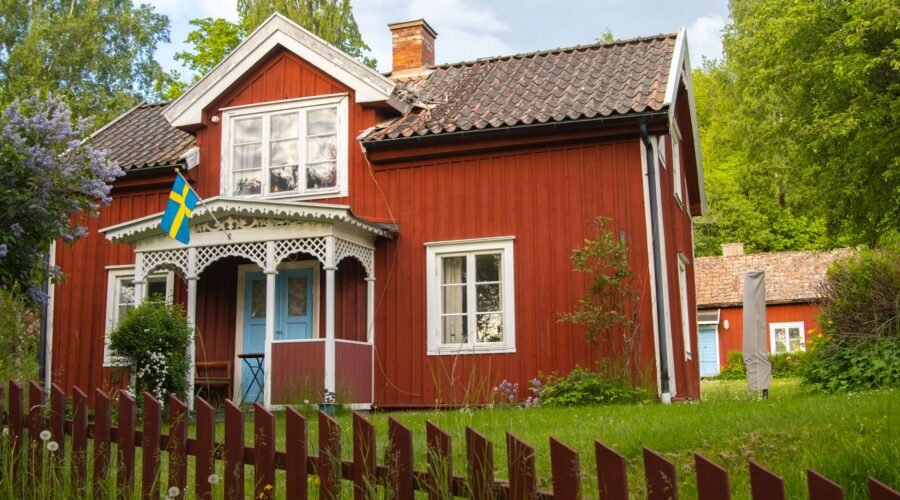
Swedish cabins lean minimal. You won’t find throw pillows styled for Instagram or a wine fridge stocked with local bottles. You’ll find a functional kitchen, a woodpile, a canoe by the dock, and a binder with hand-drawn maps to the nearest swimming spot. The aesthetic is red Falun paint, white trim, and a pragmatic layout that hasn’t changed much since the 1920s because it works.
Many cabins operate on a weekly cycle, Saturday to Saturday, especially in July. This isn’t arbitrary; it’s how Swedish families have always done it. If you want flexibility, aim for June or late August, when weekend rentals are easier to find. Final cleaning (slutstädning) is either included or charged as an add-on; if you skip the fee, you’re expected to leave the place as you found it, down to mopping the floors and wiping the fridge.
Where to find the best cabins and farm stays in Sweden
Sweden’s cabin and farm-stay landscape divides roughly by latitude and land use. The south grows food, the center mines and logs, the north herds reindeer and chases the aurora. Each region offers a different version of slow.
Dalarna: red cabins, lakes, and folk tradition
Dalarna is Sweden’s cabin heartland. The region’s trademark red cottages cluster around Lake Siljan, and the surrounding forests hold thousands more tucked along smaller lakes and streams. This is where Swedes go to feel Swedish: midsummer poles, folk music, and Dala horses carved in every gift shop.
Cabins here range from 900 SEK per night for a basic four-person stuga to 2, 500 SEK for a modern build with sauna and lake frontage. July is expensive and crowded; late August and September are better for hiking, mushroom foraging, and watching the birch forests turn yellow. Winter brings cross-country skiing and proximity to resorts like Sälen and Idre, so cabins stay open year-round if they’re winterized.
Book through Stugknuten, Stugsommar, or check Traveliora’s Dalarna cabin listings for properties that include English descriptions and transparent pricing. Avoid the generic international platforms if you want the full week-long rental experience; they mostly surface short-stay properties near towns.
Skåne: working farms, open fields, and coastal access
Skåne is Sweden’s breadbasket, flat and fertile, with working dairy farms, apple orchards, and rapeseed fields that turn electric yellow in May. Farm stays here put you in the middle of active agriculture. You’ll hear the milking machines at 5 a.m., watch the farm dog herd sheep, and eat breakfast made from ingredients that never left the property.
Expect to pay 1, 200-1, 800 SEK per night for a double room with breakfast. Some farms offer self-catering cottages on the property for 1, 000-1, 500 SEK per night. Activities vary: one farm might offer horseback riding, another lets you help with evening chores, a third runs a small farm shop selling raw milk cheese and charcuterie.
Skåne’s coast adds another dimension. You can combine a farm stay inland with day trips to beaches near Ystad or the fishing villages of Österlen. The region is also bike-friendly, with flat terrain and a growing network of farm-to-farm cycling routes. Check local tourism sites or Traveliora’s Skåne farm-stay directory for properties that welcome cyclists and provide secure bike storage.
Gotland: island time, limestone, and sheep
Gotland is Sweden’s largest island, sitting in the Baltic 90 km from the mainland. The landscape is limestone bedrock, medieval churches, and sheep grazing on alvar meadows. Cabins and farm stays here feel more remote than their latitude suggests; ferry access (3-3.5 hours from Nynäshamn or Oskarshamn) slows the pace before you even arrive.
Island cabins cost 1, 200-2, 000 SEK per night in summer. Many are converted farm buildings or old fishing cottages near the coast. Gotland’s farm stays often focus on sheep and lamb production, so expect lamb on the dinner menu if the farm offers meals. The island’s microclimate means warmer, drier summers than the mainland, making it ideal for May through September stays.
Book cabins here 4-6 months ahead for July, as ferry capacity limits visitor numbers and accommodation fills fast. Shoulder season (late May, early September) is easier and often more pleasant, with wildflowers in bloom and fewer tour groups in Visby’s old town.
Jämtland and northern Sweden: forest, fell, and solitude
The northern half of Sweden is where you go to see no one. Jämtland, Västerbotten, and Norrbotten offer cabins deep in boreal forest, near fell (mountain) hiking, and along rivers that run cold and clear. These aren’t luxury retreats; they’re simple stugor with gas lamps, wood heat, and an outhouse 20 meters from the door.
Expect to pay 700-1, 200 SEK per night for a basic cabin, less if you’re willing to forgo electricity. Summer (late June through August) is short and precious; by mid-September, snow can arrive. Winter cabins near Kiruna or Abisko cost more (1, 500-2, 800 SEK) because they’re winterized and positioned for northern lights viewing and ski touring.
Farm stays are rarer this far north, replaced by reindeer herding and small-scale tourism operations run by Sami families. These aren’t traditional farm stays, but some offer overnight accommodation in lavvu (traditional tents) or cabins on herding land, with meals and storytelling included. Confirm heating and bedding; northern nights drop below freezing even in summer.
What to expect when you book cabins and farm stays in Sweden
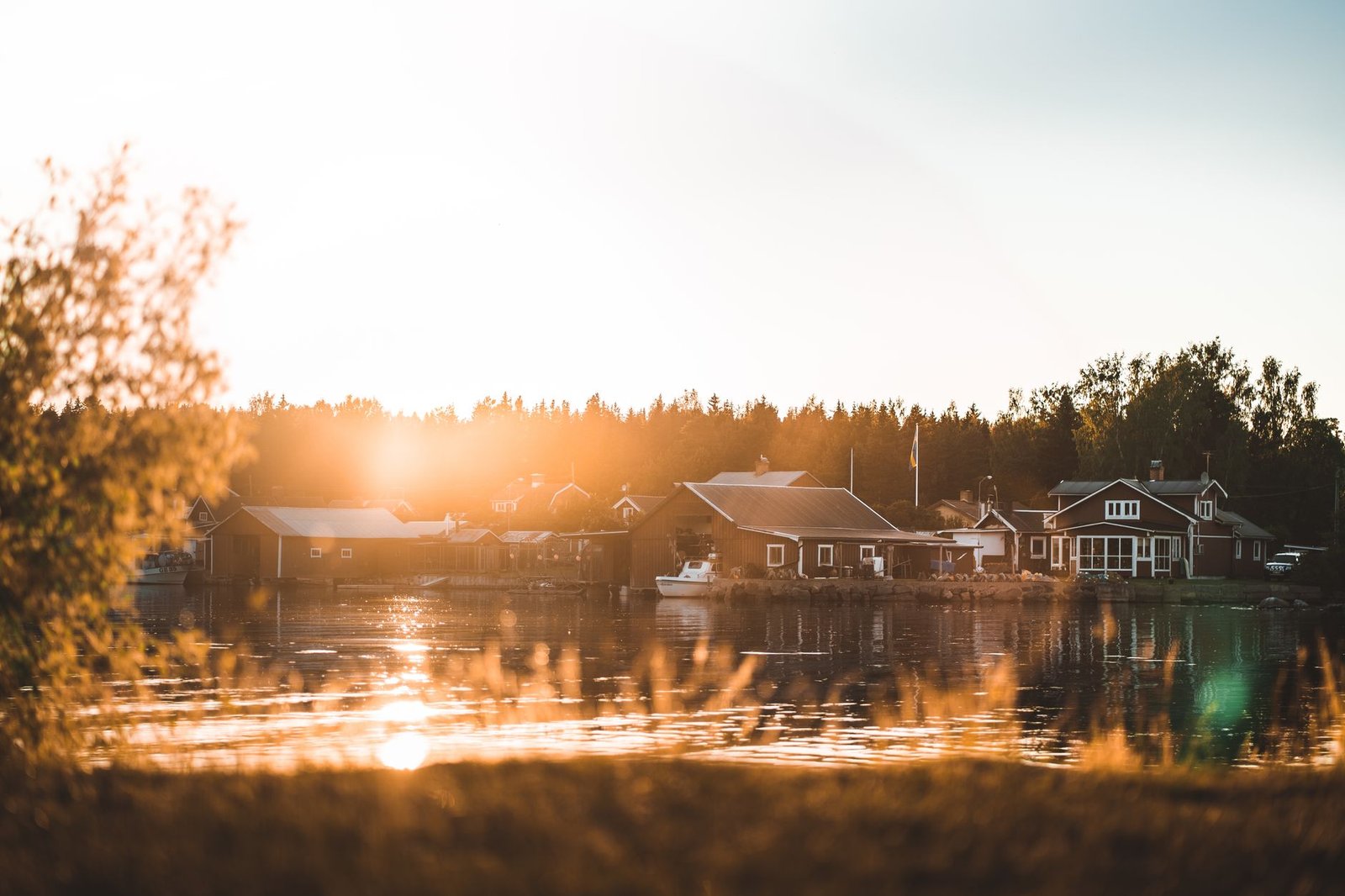
Swedish cabin culture runs on self-sufficiency. You’re not a hotel guest; you’re a temporary resident. That means you handle your own logistics, from stocking the fridge to lighting the sauna to cleaning before you leave. Farm stays add a host relationship, but even there, you’re expected to respect working hours and farm routines.
Amenities and what’s usually included
A standard Swedish cabin includes a kitchen with a stove, fridge, and basic cookware; a bathroom with shower (or outhouse if rustic); beds with mattresses but often no linens; and a sitting area with a table and chairs. You bring or rent linens (150-250 SEK per set), bring all food, and handle your own trash (recycling stations are common near rural areas; the cabin binder will have directions).
Saunas are common but not universal. If the cabin has one, you’ll need to heat it yourself, either electric or wood-fired. Wood-fired saunas take 1-2 hours to reach temperature; plan accordingly. Firewood for the sauna and indoor stove is sometimes included, sometimes sold separately (100 SEK per bundle).
Wi-Fi is hit or miss. Modern cabins near towns often have it; remote properties don’t. Mobile coverage is good along major highways and in southern Sweden, patchy in forests and mountains. Telia has the widest rural reach. If you need reliable connectivity for work, confirm before booking.
Farm stay routines and etiquette
Farm stays operate on the farm’s schedule, not yours. Breakfast is served at a set time (usually 7:30-9:00), and if you miss it, you miss it. Evening activities like animal feeding happen around 17:00-18:00. Ask the host when you arrive what the day’s rhythm looks like and whether you’re welcome to observe or help with chores.
Meals are often included in farm stays, either breakfast only or half-board (breakfast and dinner). Dinner is typically served family-style at a communal table, with other guests and sometimes the farm family. Expect simple, seasonal food: roast pork, root vegetables, boiled potatoes, lingonberry jam, and homemade bread. Vegetarians should mention dietary needs when booking; rural farms may not have backup options.
Respect boundaries. Working farms have machinery, chemicals, and animals that can be dangerous. Don’t wander into barns or fields without asking. Keep children supervised near water, equipment, and livestock. If the farm has a dog, ask before petting; farm dogs are working animals, not pets.
Costs beyond the nightly rate
The advertised cabin price rarely includes everything. Add 150-250 SEK per person for linens and towels if not provided. Final cleaning is 400-800 SEK if you don’t do it yourself. Electricity is sometimes metered separately, especially in winter; expect an extra 200-500 SEK for a week’s heating in cold months. Firewood costs 80-120 SEK per bundle if not included.
Farm stays usually bundle more into the rate: breakfast, linens, and sometimes activities like guided farm tours or berry-picking walks. Confirm what’s included when you book. If the listing says “breakfast included, ” that’s usually the only meal; lunch and dinner are extra or self-catered.
Tourist taxes are rare in rural Sweden, unlike cities. The price you see is the price you pay, plus the add-ons above. Always ask for a breakdown before confirming, especially if booking direct with an owner rather than through a platform.
How to choose the right cabin or farm stay for your trip
Matching property to purpose matters. A cabin with no electricity works fine if you’re there to hike and read by candlelight; it’s miserable if you need to work remotely or entertain young kids on a rainy day. A farm stay is ideal for families who want hands-on animal time; it’s awkward if you’re looking for solitude and sleep.
Questions to ask before booking
Start with access. How far is the cabin from the nearest grocery store? Is the final stretch of road paved or gravel? Can a low-clearance car make it, or do you need an SUV? Rural Swedish roads are well-maintained, but some cabin driveways are rough, and winter access may require four-wheel drive.
Ask about water and waste. Is there running water, or do you fetch it from a well or lake? Is the toilet a flush toilet connected to septic, a composting toilet, or an outhouse? None of these are dealbreakers, but you need to know in advance. Composting toilets and outhouses are common in off-grid cabins and require a short learning curve.
Clarify the cancellation policy. Swedish cabin rentals often have stricter terms than hotels: no refund within 30 days, 50% refund 30-60 days out. If you’re booking months ahead, travel insurance is worth it. Farm stays are sometimes more flexible, especially if you’re booking direct; ask.
For farm stays, ask what activities are available and whether they cost extra. Some farms include everything in the room rate; others charge separately for horseback riding (300-500 SEK per hour), guided foraging walks (200-400 SEK), or cheese-making workshops (400-600 SEK). Confirm whether children can participate and at what age.
Seasonality and timing
Sweden’s cabin and farm-stay experience changes completely with the season. Summer (June-August) is peak for families, with long daylight, warm lakes, and outdoor activities. Mosquitoes peak in June and early July, especially near water and in the north; bring repellent and long sleeves for evening. By late August, mosquitoes drop off, berries ripen, and the first autumn colors appear.
Shoulder season (May, September) offers the best value. Prices drop 20-30%, availability opens up, and the weather is still mild enough for hiking and cycling. May is ideal for Skåne and southern Sweden, with wildflowers and apple blossoms. September works well in Dalarna and Jämtland, with fall foliage and mushroom foraging.
Winter cabins are a separate category. Only winterized properties stay open, mostly in ski areas (Dalarna, Jämtland) or northern lights zones (Lapland). Expect higher heating costs, shorter daylight (4-6 hours in December-January in the north), and the need for winter driving skills. Ice fishing, cross-country skiing, and aurora watching are the main draws. Book by November for February sports break, Sweden’s busiest winter week.
Solo, couple, or family: what works where
Solo travelers do well in small cabins or farm stays with communal meals, where the built-in social structure makes it easier to meet people. Look for properties that rent by the room rather than the whole building, or choose a farm stay in Skåne or Gotland where the host family eats with guests.
Couples gravitate toward lakeside cabins with saunas and canoes, especially in Dalarna or the Stockholm archipelago. Privacy is the selling point; you won’t see neighbors for days. Book a cabin with a wood-burning stove and a lake view, and bring a stack of books. This is the classic Swedish summer-house experience.
Families need space, kid-safe surroundings, and activities. Farm stays in Skåne work well: children can feed animals, collect eggs, and run around open fields. Cabin-wise, look for properties with multiple bedrooms, shallow lake access for swimming, and nearby hiking trails suitable for short legs. Avoid cabins with steep stairs, open fires as the only heat source, or docks without railings if you’ve got toddlers.
Practical tips for cabins and farm stays in Sweden
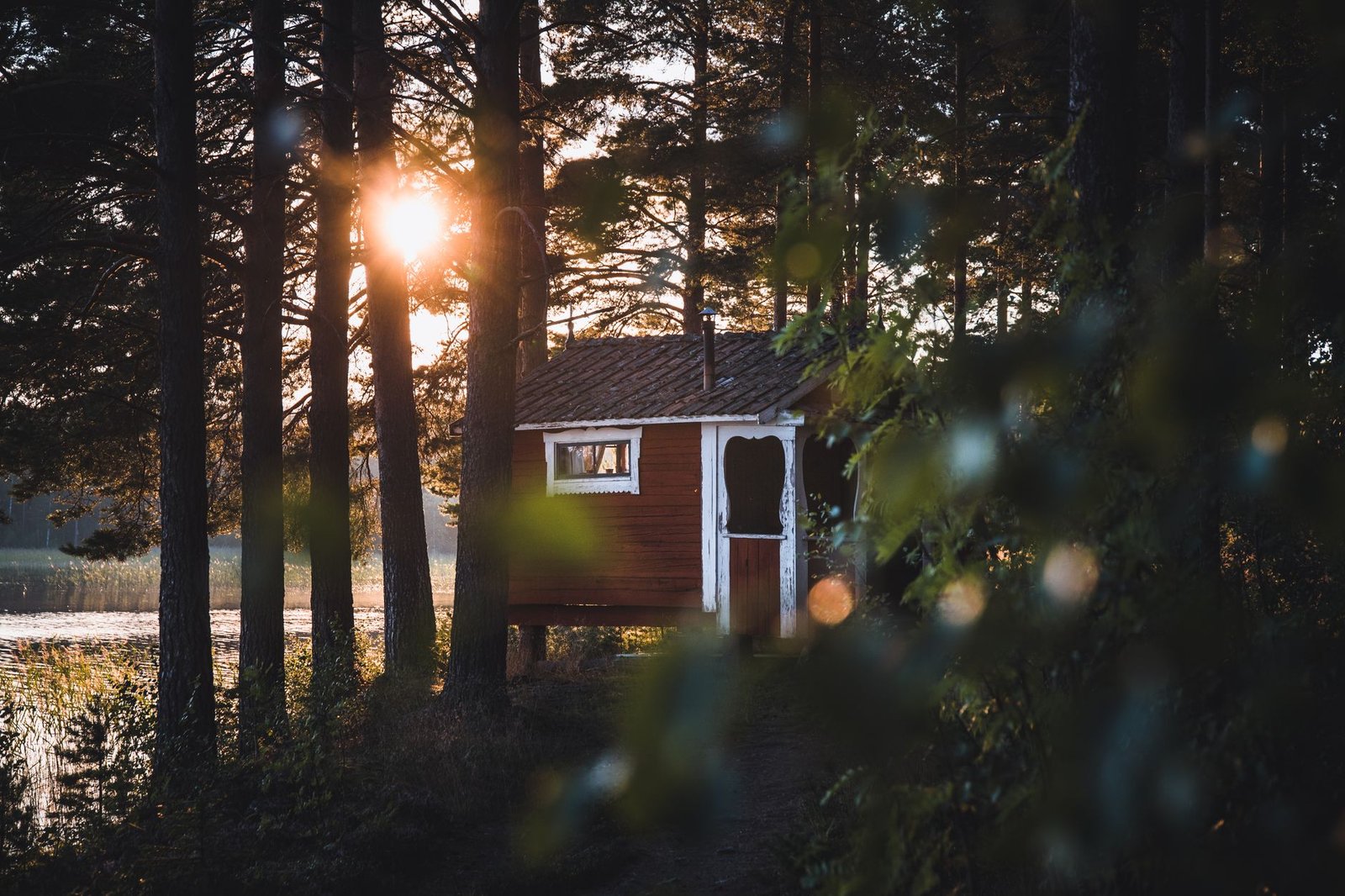
Swedish cabin life runs smoother when you know the unwritten rules. These aren’t listed in the rental agreement, but locals take them for granted.
Grocery shopping and meal planning
Bring all your food, or shop on the way. Rural grocery stores (ICA, Coop) close early (often 18:00 or 19:00) and may not open Sundays. Larger towns have better hours, but once you’re at the cabin, assume you won’t make another grocery run. Stock up in the last town before you turn onto rural roads.
Plan meals around what stores well without refrigeration for the first day, in case the cabin fridge takes time to cool. Bring coffee, tea, salt, pepper, and oil; cabins rarely stock these. If you’re staying a week, consider a cooler for the car ride so you can shop in a city with better selection and prices, then transport everything cold.
Swedish grocery staples for cabin cooking: crispbread (knäckebröd), cheese, cold cuts, eggs, potatoes, pasta, canned tomatoes, and whatever vegetables look good. Local farm shops sell raw milk, fresh eggs, and sometimes meat, but hours are irregular; call ahead or check online.
Heating, lighting, and energy
If your cabin has a wood stove, learn how to use it before you need it. The binder usually has instructions. Start with small, dry kindling, build up to larger logs, and keep the damper open until the fire is established. Never leave a fire unattended overnight; close the damper and let it burn down. Fires take 30-60 minutes to warm a cold cabin, so start early.
Electric heating is easier but expensive. Electricity in Sweden costs around 1.50-2.50 SEK per kWh depending on season and region. A week of heating in winter can add 300-600 SEK to your bill if metered separately. Keep doors closed to rooms you’re not using, and don’t leave heaters on high when you’re out.
Gas lamps and candles are romantic until you need to cook or read. Bring a headlamp and extra batteries if your cabin is off-grid. Charge devices in the car if there’s no electricity. Solar chargers work in summer but are slow; don’t rely on them as your only option.
Water, waste, and recycling
If the cabin has running water, it’s usually safe to drink, but check the binder. Well water in rural areas is generally fine; lake water is not. If you’re fetching water from a well, bring a large container (10-20 liters) to minimize trips. Boil or filter lake water if that’s your only option.
Waste disposal is your responsibility. Cabins rarely have trash pickup; you’ll take garbage to a recycling station (återvinningsstation) on your way out. The binder will have directions. Sweden recycles aggressively: separate paper, cardboard, plastic, metal, glass (clear and colored), and food waste. Bins are clearly labeled, usually in Swedish and English.
Greywater (from sinks and showers) usually drains to a septic system. Don’t pour grease or food scraps down the drain. If the cabin has a composting toilet, follow the instructions exactly: peat or sawdust after each use, no toilet paper in some models. It’s simple once you do it twice.
Sauna etiquette and safety
If your cabin has a sauna, use it. Swedes sauna year-round, and it’s one of the best parts of cabin life. Heat the sauna to 70-80°C (160-175°F), sit for 10-15 minutes, then cool off with a lake swim or cold shower. Repeat 2-3 times. Drink water between rounds.
Wood-fired saunas take 1-2 hours to heat. Start the fire early, keep feeding it until the stones are hot, then let the fire die down before you go in. Electric saunas heat in 30-45 minutes. Always throw water on the stones (löyly) to create steam; it’s expected. Bring a ladle and bucket; they’re usually in the sauna or nearby.
Sauna naked or in a swimsuit; both are fine in private cabins. Public saunas and some farm stays expect swimsuits. If you’re sharing a sauna with other guests, ask the host what’s normal. Never wear shoes inside the sauna, and sit on a towel to protect the wood.
Key Takeaways
- Cabins and farm stays in Sweden reward staying put; pick one region, settle in for 5-7 days,
Frequently Asked Questions
How much do cabins and farm stays in Sweden typically cost per night?
A basic stuga (cabin) in rural Sweden runs 800-1, 500 SEK (75-140 EUR) per night for four people. Farm stays with breakfast and activities cost 1, 200-2, 200 SEK per night for a double room. Peak summer weeks (late June through early August) push prices up 20-40%, while shoulder season (May, September) offers the best value.
What's the difference between a stuga and a torp in Sweden?
A stuga is the general Swedish word for cabin or cottage, usually a standalone building with basic kitchen facilities. A torp historically meant a small crofter's cottage, often older and more rustic, sometimes without running water. Today the terms overlap, but torp suggests something smaller and more traditional.
Do Swedish cabins have electricity and running water?
Most modern stugor have electricity, running water, and a basic kitchen. Remote or budget cabins may use gas lamps and require you to fetch water from a well. Always check the listing. If it mentions "enkel standard" (simple standard) or "utan el" (without electricity), expect a more basic setup.
When is the best time to book a cabin or farm stay in Sweden?
Book 3-6 months ahead for midsummer week (late June) and peak July dates. May, early June, and September offer easier availability, lower prices, and fewer mosquitoes. Winter cabins near ski areas (Dalarna, Jämtland) fill up fast for February sports break, so book by November.
Can I rent a Swedish cabin for just one or two nights?
Many cabins require a minimum stay, often a full week (Saturday to Saturday) in July. Outside peak summer, weekend rentals (Friday-Sunday) are common. Farm stays usually allow single-night bookings year-round. Always confirm minimum stay in the listing or contact the host directly.
What should I bring to a self-catering cabin in Sweden?
Bring all food, as rural shops are sparse and close early. Pack bed linens and towels unless the listing includes them (many charge 150-250 SEK extra per set). Bring mosquito repellent (May-August), a headlamp if the cabin is remote, and a cooler if you're shopping en route.
Are Swedish farm stays suitable for children?
Yes. Many farms welcome families and offer hands-on activities like feeding animals, collecting eggs, and berry picking. Confirm the farm has child-safe fencing around water and machinery. Some farms offer dedicated children's programs in summer; ask when booking.
Do I need a car to reach cabins and farm stays in Sweden?
A car is strongly recommended. Most cabins and farms sit 5-20 km from the nearest bus stop, and rural bus service is infrequent (often 2-3 buses per day). If you're carless, look for properties within cycling distance of a train station or ask the host about pickup options.
What's included in a typical Swedish farm stay breakfast?
Expect home-baked bread, local butter and cheese, boiled eggs from the farm's hens, yogurt, jam (often lingonberry or cloudberry), cold cuts, and strong filter coffee. Some farms serve porridge or filmjölk (soured milk). Breakfast is usually served 7:30-9:00 and included in the room rate.
Can I light a fire in a Swedish cabin's wood stove?
Yes, if the cabin has a stove or fireplace. Firewood is sometimes included; otherwise you buy it from the owner (around 100 SEK per bundle) or chop your own if an axe and woodpile are provided. Never leave a fire unattended, and close the damper when done to prevent drafts.
Are pets allowed in Swedish cabins and farm stays?
Policies vary. Many cabins allow dogs for an extra fee (100-200 SEK per night), but farm stays may restrict pets if they have livestock. Always disclose your pet when booking. Cats are less commonly accepted. Clean thoroughly before checkout if you bring an animal.
What does "final cleaning" mean in Swedish cabin rentals?
Final cleaning (slutstädning) is either included in the price or charged separately (400-800 SEK). If you skip the fee, you're expected to clean the cabin yourself: vacuum, mop, wipe surfaces, clean the fridge, and take out trash. Check the rental agreement for the standard required.
How do I find cabins and farm stays that are eco-friendly?
Look for properties with certifications like Svanen (Nordic Swan Ecolabel) or Nature's Best for farm-stay tour operators. Check if the farm uses organic methods (KRAV-certified), offers vegetarian meals, or generates its own solar or wind power. Many listings on <a href="https://traveliora.se/listings/eco-lodges-sweden">Traveliora's eco-lodge directory</a> highlight sustainability practices.
What's the mosquito situation like at Swedish cabins in summer?
Mosquitoes peak in June and early July, especially near lakes and forests in northern and central Sweden. Bring repellent with DEET or Icaridin, long sleeves for evening, and a net for infants. By late July and August, mosquito pressure drops significantly. Coastal and southern properties have fewer issues.
Can I fish or forage near my cabin in Sweden?
Sweden's allemansrätten (right of public access) lets you fish with a rod in the ocean and the five largest lakes for free. Elsewhere you need a fishing permit (fiskekort), sold online or at local shops for 50-200 SEK per day. You can forage berries and mushrooms freely on any land, but not on private garden plots.
Do Swedish cabins have Wi-Fi?
Many modern cabins offer Wi-Fi, but remote properties may have weak or no signal. If connectivity matters, confirm before booking. Mobile coverage (4G/5G) is good along the E4 and E6 corridors but patchy in deep forests and mountain areas. Telia and Tele2 have the widest rural reach.
What's the cancellation policy for Swedish cabin rentals?
Policies vary by platform and owner. Typical terms: full refund if canceled 60+ days before arrival, 50% refund 30-60 days out, no refund within 30 days. Travel insurance is wise if booking far in advance. Farm stays often have more flexible policies than large booking platforms.
Are there cabins and farm stays open in winter?
Yes. Winter cabins are popular in Dalarna (near ski resorts like Sälen and Idre), Jämtland (Åre), and Lapland (Kiruna, Abisko). Expect higher heating costs and check that water pipes are winterized. Some farms offer winter activities like cross-country skiing, ice fishing, and northern lights watching.
How do I heat a Swedish cabin in cooler months?
Most cabins use electric radiators, a wood stove, or both. Electric heating is easiest but can be expensive (electricity often metered separately). Wood stoves require chopping and tending but create a cozy atmosphere. Always check the heating method in the listing and confirm firewood availability.
What's a typical check-in and check-out time for cabins?
Check-in is usually 15:00-17:00, check-out by 10:00 or 11:00. Many cabins use key boxes or lockboxes rather than in-person handoff, so you'll get a code by SMS or email. If you need early check-in or late check-out, ask the owner; off-season they're often flexible.
Can I celebrate midsummer at a Swedish cabin or farm?
Absolutely. Midsummer (midsommar) is the peak cabin season. Many farms host midsummer celebrations with maypole dancing, pickled herring, and new potatoes. Book 6-12 months ahead for midsummer week. If you're renting a private cabin, bring your own flower crowns and snaps; neighbors are usually friendly about sharing the festivities.
What's the difference between booking through Airbnb versus a Swedish cabin portal?
Swedish portals like Stugknuten, Dancenter, and Stugsommar often list properties not on Airbnb, especially traditional week-long summer rentals. Airbnb offers more short stays and English-language ease. Prices are similar, but Swedish portals sometimes have lower service fees. For farm stays, go direct or use <a href="https://traveliora.se/listings/farm-stays-skane">Traveliora's farm-stay directory</a>.
Are there cabins near Stockholm or Gothenburg for a weekend escape?
Yes. Stockholm's archipelago (skärgård) has hundreds of island cabins reachable by ferry, many bookable for weekends. Around Gothenburg, try the southern archipelago or Bohuslän coast. Expect higher prices near cities (1, 500-3, 000 SEK per night). Book early for summer weekends.
Do I need to speak Swedish to stay at a cabin or farm?
English is widely understood, especially by hosts who list online. Older farm owners in remote areas may prefer Swedish, but you'll manage with basic phrases and a translation app. Cabin rentals are mostly self-service, so language barriers are minimal. Learning "tack" (thanks) and "hej" (hello) goes a long way.
What's the best region for cabins and farm stays if I want autumn colors?
Dalarna and Jämtland offer spectacular fall foliage in late September and early October, with hillsides of birch turning gold and red. Skåne's beech forests are also beautiful in October. Book for mid-September to early October; by late October most cabins close for the season and weather turns wet and cold.