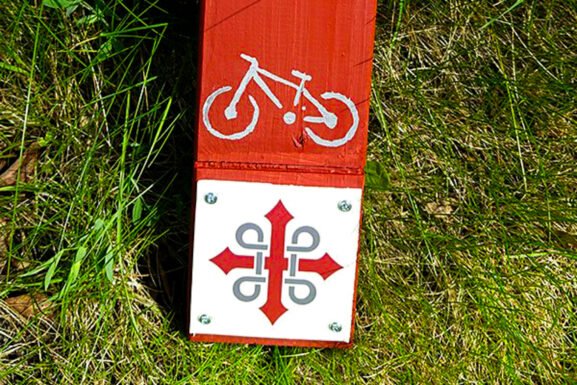
S:t Olavsleden

The northernmost pilgrim trail in the world
Stretching 580 kilometers from Selånger in Sweden to Trondheim in Norway, St. Olavsleden is the northernmost pilgrim trail in the world. This historic route follows the footsteps of Saint Olav, weaving through tranquil forests, shimmering lakes, rolling hills, and charming Scandinavian villages. It connects two countries and countless stories blending history, spirituality, and the untouched beauty of the Nordic wilderness.
Walking the trail is more than just a physical journey; it’s an experience of inner calm and quiet discovery. The path is typically divided into daily stages of around 20 kilometers, taking hikers along forest trails, gravel roads, and open meadows. While there are gentle ascents near Åre, the route remains accessible to those with moderate hiking experience. Along the way, travellers are welcomed by the warmth of local communities, traditional countryside stays, and the serene rhythm of nature that defines life in the North.
Whether you seek a spiritual connection, cultural exploration, or simply time away from the rush of modern life, St. Olavsleden invites you to slow down and embrace the peaceful landscapes of Scandinavia where every horizon feels timeless.
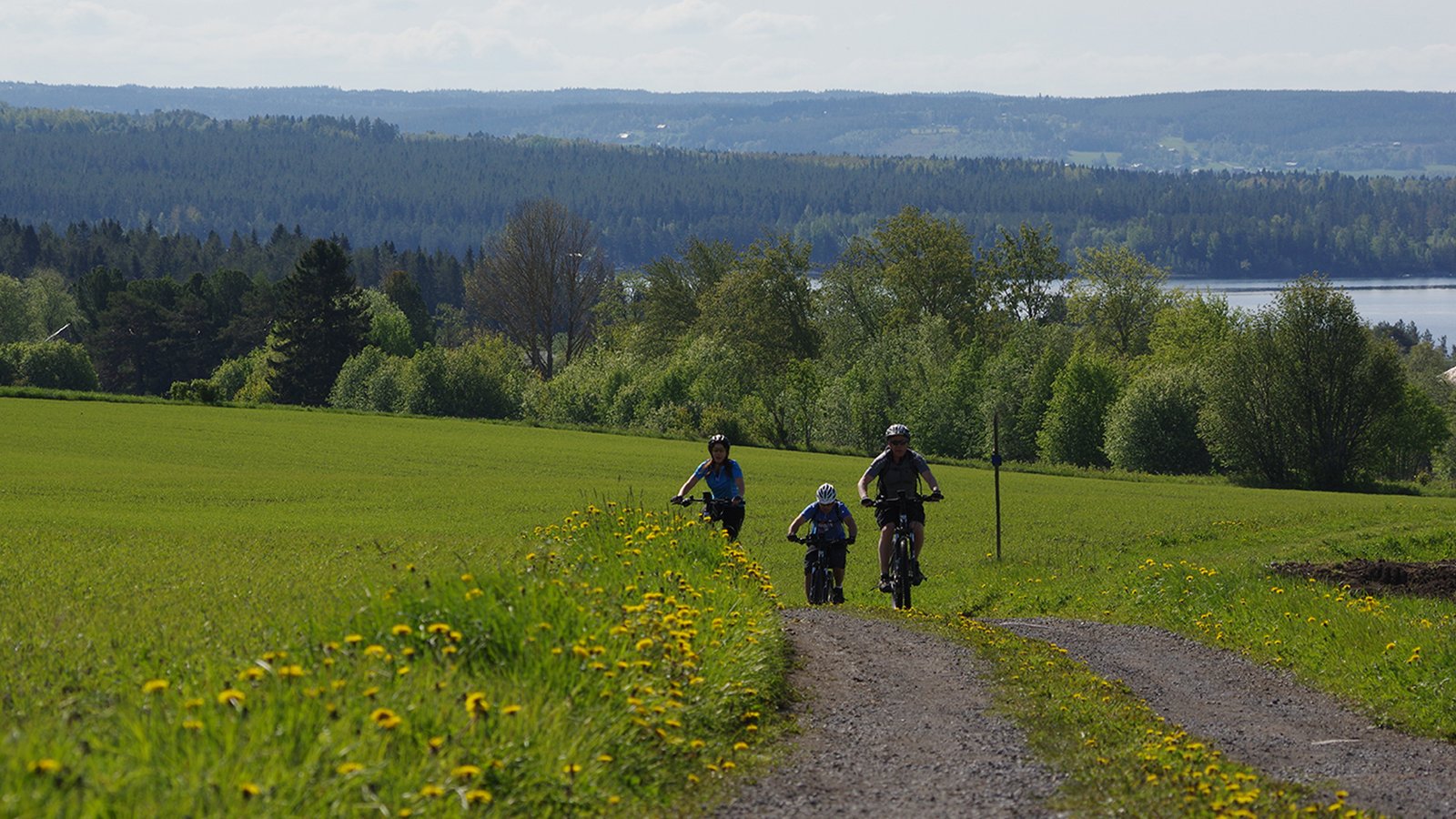
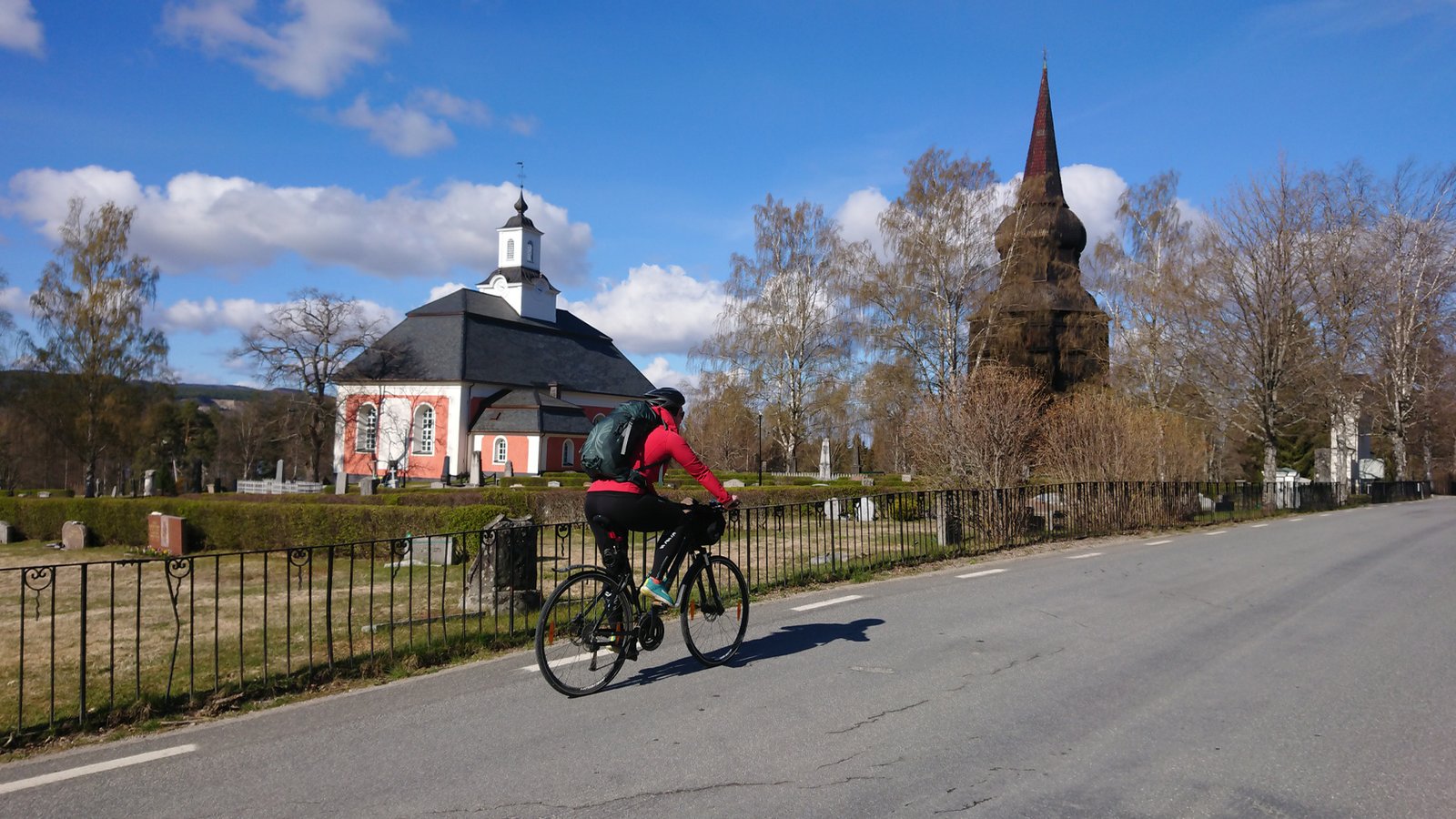
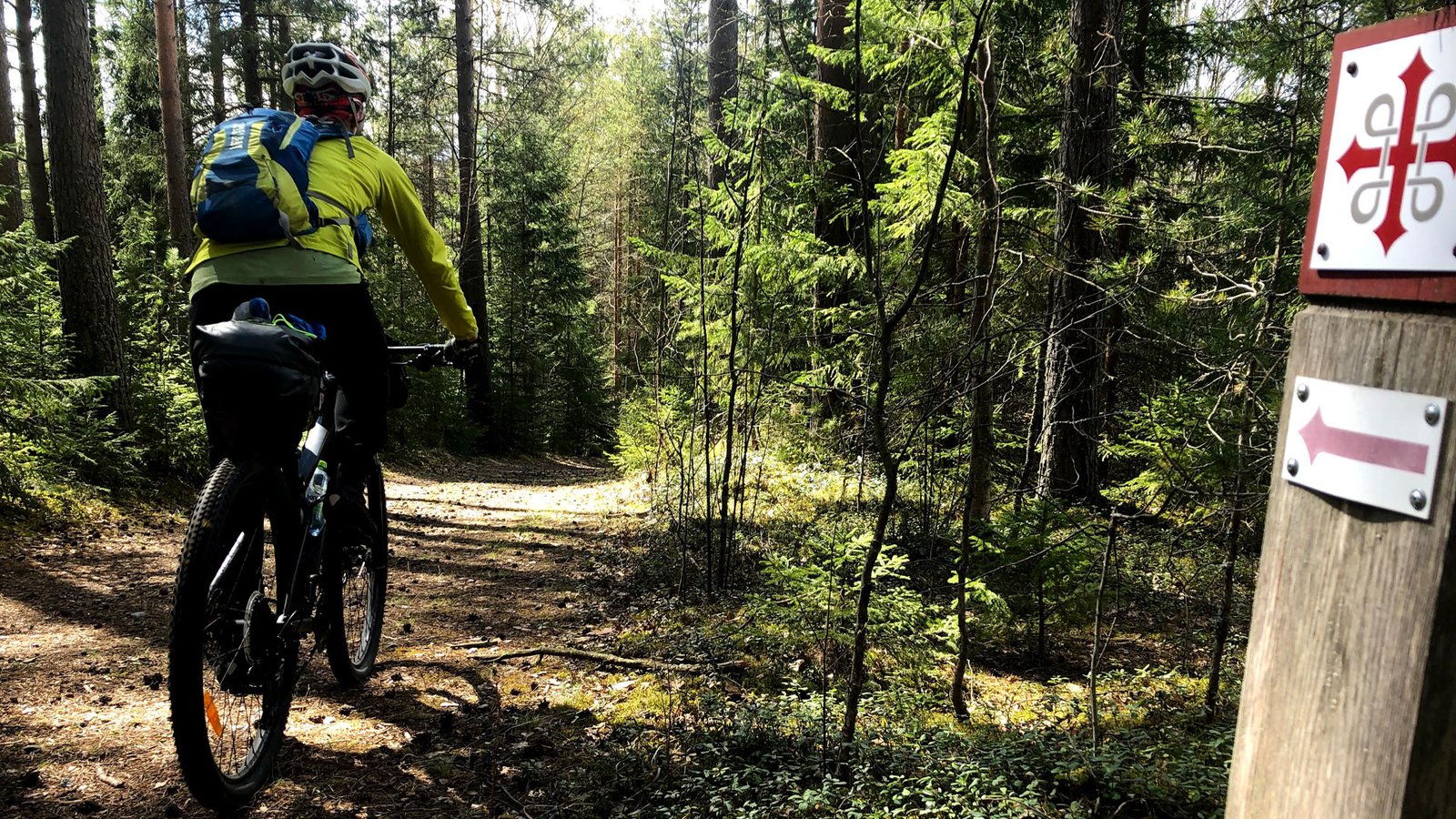
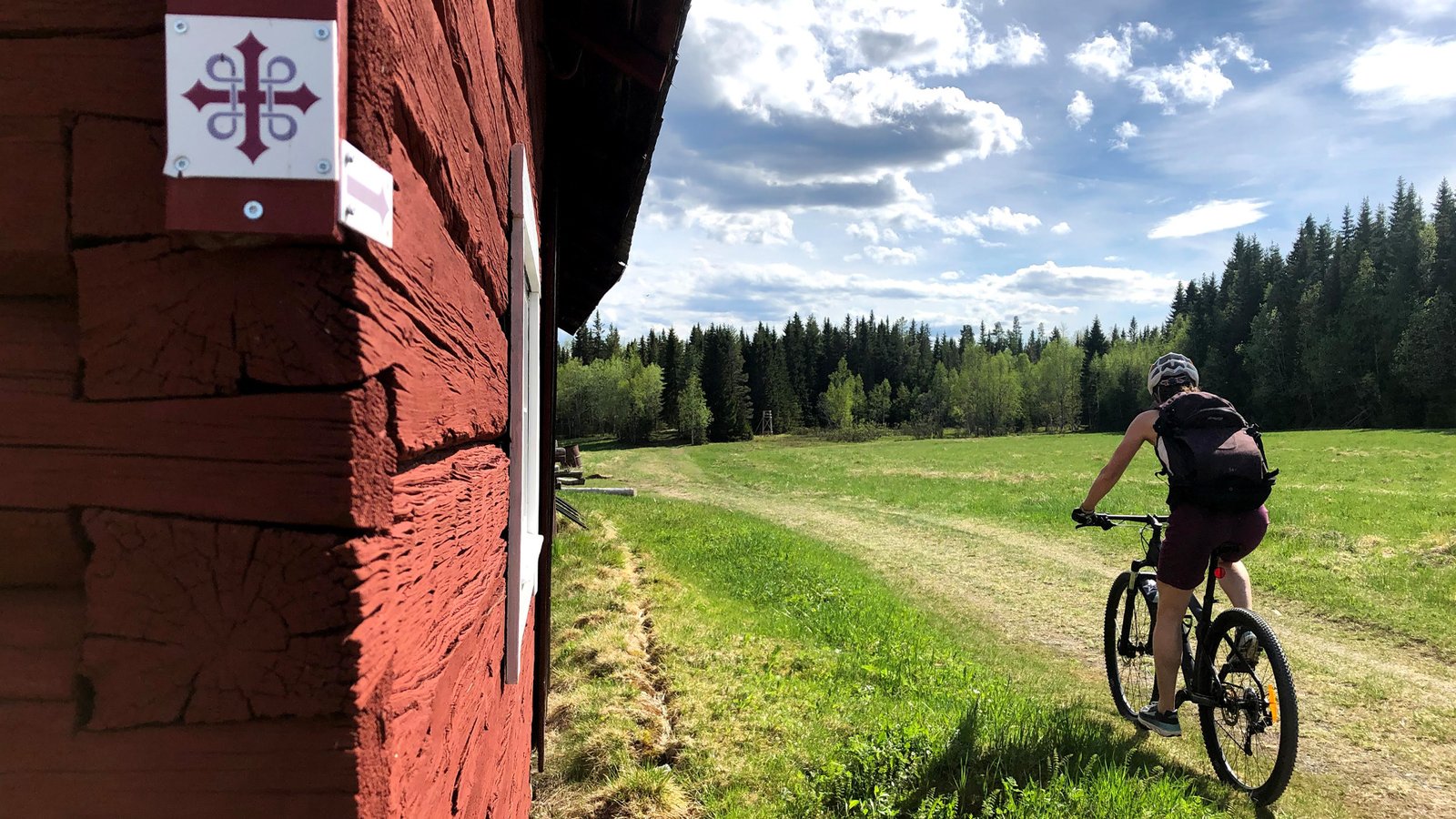
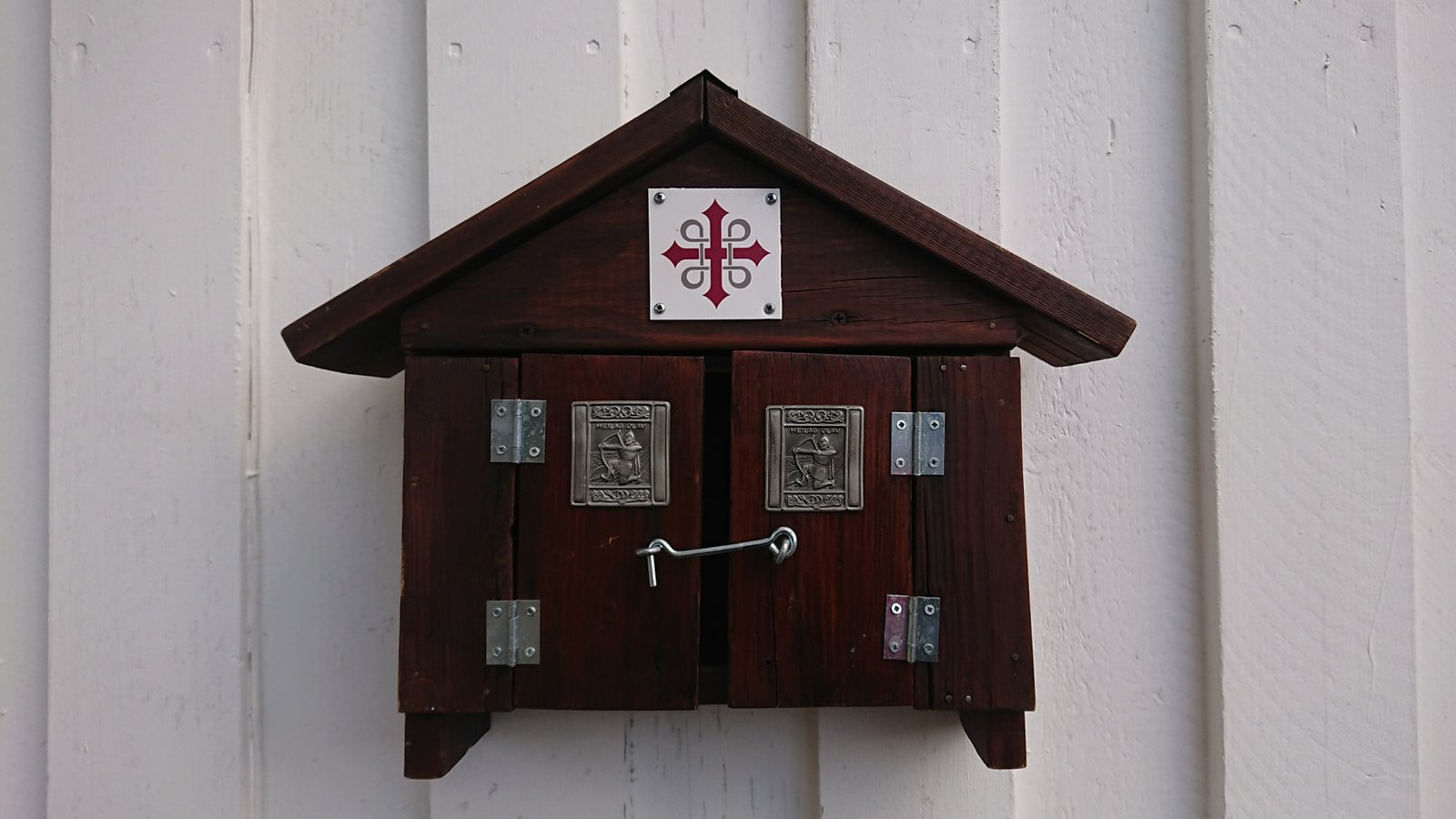
Photo Credit:Sofie Jugård Löfgren
From Sweden to Norway
St. Olav's Trail - Stages
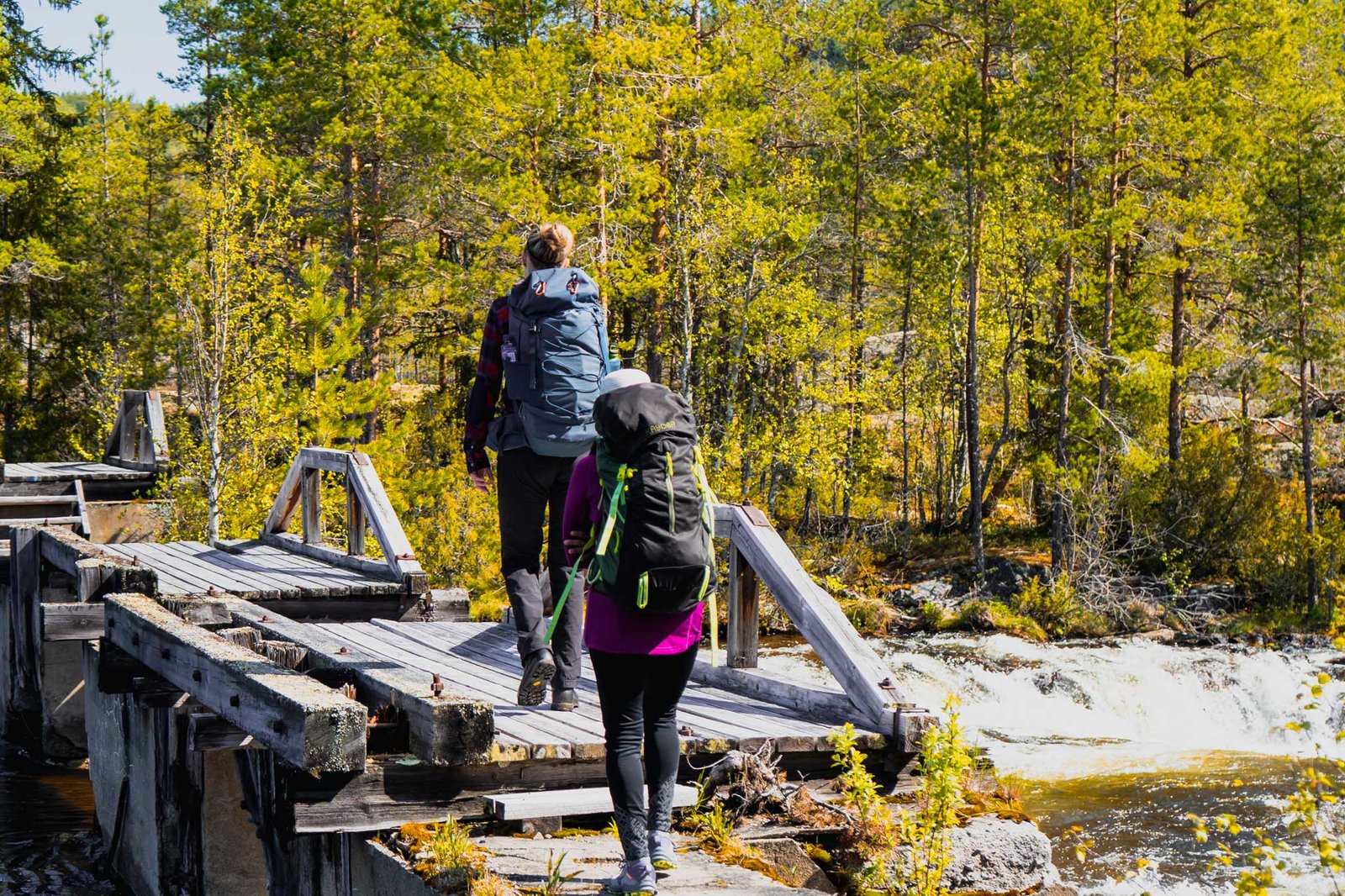
The St. Olav Trail begins in Selånger, where King Olav Haraldsson arrived in the summer of 1030 and set off on his final journey toward Norway. Today the ruins of Selånger Church mark the peaceful starting point of this 88-kilometre stretch, leading hikers through open farmland, old villages, lakeside paths and historic springs. Along the way the trail passes medieval heritage sites, scenic forests, swimming spots and Sweden’s longest wooden bridge in Fränsta. The journey ends in Borgsjö, home to the famous St. Olav’s spring, the beautiful rococo church and a lakeside campsite. It is a route where nature, history and quiet moments come together in a simple but powerful experience.
Leaving Borgsjö, the trail moves through orchid-lined paths, quiet log-house villages and deep Jämtland forests once known for robbers and wandering travelers. The landscape slowly opens into lakes, rivers and grand old wooden houses, with historic springs like Pilgrimstad offering calm places to pause and drink from waters believed to heal. Along the way are small chapels, ancient farms, fishing spots, steamboat piers and traces of life stretching back centuries from Viking-age legends to mammoth bones found in the earth.
As the journey continues, the mountains begin to appear on the horizon. Villages like Slåtte, Bodal and Berge offer sweeping views, old mills and fields shaped by history. Near Brunflo, the medieval tower dedicated to St. Olav rises above the landscape, and springs, orchids and cultural sites line the path as you near the end of the route.
The trail finally reaches Östersund, Jämtland’s only city, founded in 1786. Here, the living-history museum Jamtli brings the region’s past to life, completing a 124-kilometre walk filled with nature, stories and timeless Scandinavian heritage.
The journey from Östersund to Åre begins as you cross the bridge to Frösön, where the famous runestone tells the story of Jämtland’s Christianization. Meadows, lake views and the 13th-century Frösö Church set a calm tone before the trail continues toward Rödön, passing medieval history, quiet farms and sweeping mountain horizons.
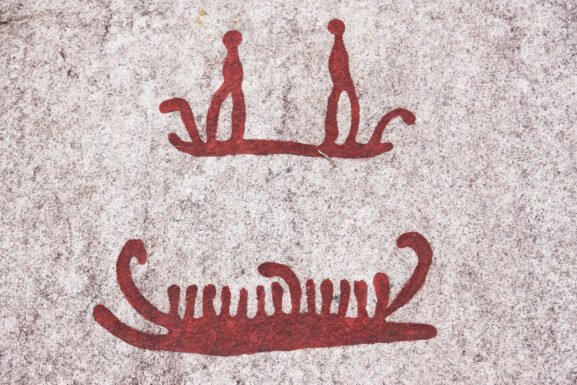
Beyond the villages of Nälden and Valne, the landscape deepens into forest paths, old pilgrim fords and timeless places like Glösa, where 5,000-year-old elk carvings sit beside the sound of rushing water. The route winds through hilly countryside to Mörsil, known for its gardens and local food, before following the shimmering shores of Lake Liten to Järpen. Scenic viewpoints, church ruins and the dramatic Ristafallet waterfall add rhythm and texture to the walk.
The final stretch leads through open farmland with views toward Renfjället and Åreskutan, ending in the alpine village of Åre. Here, ancient Sami traditions, handcrafted designs and the peaceful 12th-century church create a meeting point between culture, landscape and history. It is a route where mountains, heritage and quiet moments come together in a steady, inspiring journey along the St. Olav Trail.
The route from Åre to Stiklestad follows the Indalsälven valley before rising onto the historic Skalstugevägen, a high mountain road lined with stone arch bridges, open horizons and roaming reindeer. The trail passes quiet farming villages with Iron Age roots, peaceful forest paths and the powerful Tännforsen, Sweden’s largest waterfall. As the land opens toward the Norwegian border, the scenery becomes wider, wilder and deeply calm. Old shelters, mountain birch forests and reindeer grazing grounds echo the days when traders, pilgrims and Sami herders moved through this landscape.
Crossing into Norway, the terrain grows dramatic with cliffs and sweeping valley views. The route winds past Sul, home to St. Olav’s legendary spring and stories of miracles tied to his final journey. Old toll stations, resting places and mountain paths lead gradually down toward the village of Vuku and its 17th-century church. Each section feels like a quiet chapter of history unfolding through nature.
The walk ends in Stiklestad, where King Olav Haraldsson fell in battle in 1030. Today the stone church, cultural center and peaceful fields invite reflection on both the historical pilgrimage and the inner journey that accompanies it. This final stretch brings together mountains, myth and meaning in a powerful, contemplative finish to the St. Olav Trail.
The final stretch of the St. Olav Trail leads from Åre through forests, fjords and farmland into Trondheim. Pilgrims pass the ruins of Munkeby Monastery, serene lakes, and mountain viewpoints before choosing between the peaceful inner forest route or the scenic outer fjord path. Along the way, ancient rock carvings, quiet villages, and historic churches tell stories of centuries past.
As the trail approaches Trondheim, the landscape opens to colorful wooden houses along the Nidälven river and striking city views. The journey culminates at Nidaros Cathedral, a magnificent medieval landmark built over St. Olav’s grave. Here, pilgrims can reflect, climb the tower for panoramic views, and experience the city’s blend of history, culture, and lively modern life. Annual festivals, local markets, and retreats add a living connection to centuries of tradition, offering a powerful, contemplative finish to the 137-kilometre trail.
Here we provide a concise yet informative overview of the St. Olavsleden Trail from Sundsvall to Trondheim. Traveliora will help you find all possible accommodations along the trail as well as other services. Step by step, this resource will grow, and Traveliora’s efforts will be a valuable guide to help you plan and organize your journey along the trail. For more detailed information, we kindly invite you to visit the official website, where you will have access to all relevant resources and additional guidance.
Collaborative Partner Cycling Tours